
3 Easy Steps
Therapy shouldn’t be a mystery.
We provide therapy that actually fits your vibe, and most importantly fits your unique needs. Join us in therapy without the overthinking – just step in.
Step 1
Therapist Matcher
Complete this form to help us match you with the best therapist for your needs
Step 2
Say Hello
Connect from home for your free 15 minutes virtual call with your future therapist
Step 3
We've Matched
Get started with booking your first session for the package of your choice
No more “I should probably try therapy” energy – let’s actually do it.
What You’ll Gain From This Program
A Deep Understanding of Anxiety
Identify and analyze the emotional, cognitive, and physiological manifestations of anxiety, and understand its impact on daily life.
Practice Effective Coping Strategies
Learn to manage anxiety through various therapeutic techniques, reducing the distress caused by unease.
Emotional Regulation & Self-Acceptance
Acquire practical tools for emotional management, improve regulation skills, and learn self-acceptance and compassion.
Psychological Resilience & Long-Term Relief
Enhance resilience through consistent practice, achieve long-term anxiety relief, and improve psychological flexibility and coping abilities.
Course Overview
Session 1: Understanding Anxiety & Basics of Emotional Management
Gain an in-depth understanding of the roots and manifestations of anxiety and learn to manage it from emotional and cognitive perspectives.
The Causes & Manifestations of Anxiety
- Explore common anxiety triggers, such as work pressure, health concerns, and interpersonal relationships.
- Recognize the emotional, cognitive, and physiological responses associated with anxiety
- Analyze various dimensions of anxiety and understand its impact on mental health and daily life.
Tools for Emotional Recognition & Regulation
- Learn to use the "emotion wheel" to identify specific emotions during anxious moments and understand the needs behind them.
- Master emotional regulation techniques to address both physiological and psychological reactions, reducing the interference of anxiety.
Basic Emotional Management Techniques
- Practice foundational regulation methods, such as deep breathing and progressive muscle relaxation, to alleviate immediate physiological reactions to anxiety.
- Enhance awareness and acceptance of anxiety through simple mindfulness exercises, reducing impulsive responses driven by anxious feelings.
Session 2: Recognizing Negative Thoughts & Emotional Regulation Techniques
Learn to identify negative thoughts and emotional reactions and develop skills to adjust emotions and cognition for effective anxiety management.
Identifying Negative Thoughts
- Recognize negative thought patterns often accompanying anxiety, such as excessive worry and catastrophic thinking.
- Use daily anxiety tracking to identify these cognitive patterns and observe their impact on emotions.
Emotional Regulation Tools & Techniques
- Utilize the "ABC Model of Emotions" (Activating Event, Beliefs, Consequences) to analyze the sources of anxious feelings and gradually adjust cognition and responses.
- Further enhance emotional awareness with the "emotion wheel" to calmly navigate challenges posed by anxiety.
Cognitive Restructuring & Emotional Expression
- Practice healthy ways to express anxious feelings, reducing internalized stress.
- Learn to alleviate emotional pressure by reframing anxious thoughts and using positive self-talk to build confidence.
Session 3: Long-Term Anxiety Relief & Self-Acceptance
Develop a long-term anxiety relief plan, consolidate emotional regulation techniques, and strengthen self-acceptance and psychological resilience.
Strategies for Long-Term Anxiety Relief
- Create and implement a personalized anxiety management plan to effectively address triggers in daily life.
- Set short-term and long-term goals for anxiety management, with periodic evaluation and strategy adjustment.
Self-Acceptance & Coexisting with Anxiety
- Learn to coexist with anxiety rather than resist it, fostering a self-accepting attitude and reducing self-criticism and inner conflict caused by anxiety.
- Practice meditation, mindfulness, and self-compassion exercises to enhance emotional awareness and resilience, gradually reducing anxiety’s interference.
Consolidating Emotional Management & Self-Regulation
- Regularly review and practice learned techniques to continually improve emotional management skills, reducing the frequency and intensity of anxiety.
- Emphasize the long-term practice of emotional regulation and self-adjustment to prepare for future anxiety challenges.
Focus on Calming Body and Mind
Relieving Anxiety in Life
This practical course is based on therapeutic tools and techniques designed to help individuals identify the root causes of anxiety, master emotional regulation skills, and enhance self-management abilities, thereby restoring inner peace and confidence. Through this program, you will gain effective tools and strategies to manage anxiety and face various stresses and challenges in life.
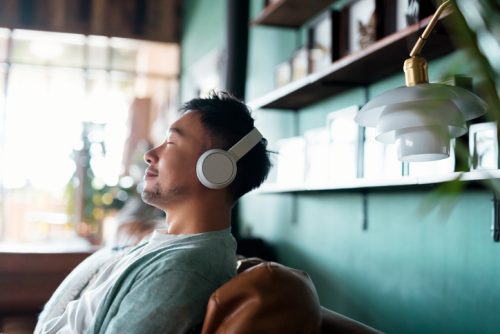
Through this course, you will gradually master effective tools for managing anxiety, enhance emotional regulation and psychological adaptation skills, and ensure that anxiety no longer dominates your life.
Hear from our clients…

It’s such a relief to talk to someone who actually gets what it’s like being LGBTQ+. No weird looks, no judgment—just real support. I can finally be myself.
They really understand what it’s like growing up with Asian family expectations. I didn’t have to explain everything from scratch. Therapy helped me find a way to set boundaries without feeling like I was disrespecting my culture.
I honestly couldn’t do therapy if it weren’t for the evening and weekend times. They really work around my schedule, and it never feels rushed. Super knowledgeable and easy to talk to.
I was completely burnt out from work. As a healthcare worker, I’m used to putting others first—but therapy helped me draw the line and get some balance back.

I used to feel like anxiety was running the show. Now, I’ve actually got tools that help. I finally feel like I’m in the driver’s seat.

It’s so ADHD-friendly here. The sessions have structure, but there’s also room to adapt depending on how my brain’s working that day. No judgment—just stuff that actually helps.
For the first time in a long time, I feel safe opening up. It’s clear they really understand trauma, and the way they show up—it just makes healing feel doable.
I was totally running on empty. Therapy helped me reset, figure out where to draw the line, and start feeling like myself again.
Accepted by Insurance Providers
Direct Billing Available with Our Partners
+12 of the best insurance providers in Canada trusts us to provide you with the highest level of care and service.


Anxiety Counselling in Vancouver
How is this different from regular anxiety counselling?
This program is a fixed, structured three-session course with a set curriculum — each session builds on specific tools like the emotion wheel and cognitive reframing techniques. Our open-ended individual counselling for anxiety is more flexible and ongoing, shaped session-to-session around what’s coming up for you, which tends to suit more complex or long-standing anxiety better.
Is this program covered by insurance?
Yes, we offer direct billing with most major Canadian insurance providers, including Sun Life, Manulife, Canada Life, and Pacific Blue Cross — the same coverage available across our other services.
How do I know if what I'm feeling is "real" anxiety, or just everyday stress?
A bit of anxiety is a normal response to stress, so the real question is usually how much it’s interfering with your sleep, relationships, work, or day-to-day life. If you’re not sure, our free Anxiety Quiz is a quick way to get a clearer picture before booking, or you can just ask about it on your free matching call.
What happens after the three sessions — can I keep going if I need more support?
Yes. Some people find three sessions is exactly the reset they needed, while others want to keep building on it — if that’s you, moving into ongoing individual counselling is a natural next step, and your therapist can help you figure out what’s worth continuing.
Does this help with specific things like panic attacks or social anxiety, or is it more general?
The tools in this program — emotion regulation, cognitive reframing, mindfulness — are broadly useful across most types of anxiety, including social anxiety and panic-related worry. If you’re dealing with a more specific or long-standing pattern, it’s worth mentioning that on your matching call so your therapist can advise whether the structured program or ongoing counselling is the better starting point.
Should I still do this if I'm already on anxiety medication?
Yes — this program is meant to work alongside medication, not replace it. Many people find combining psychotherapy with medication more effective than medication alone, though any questions about adjusting or stopping medication should always go through your prescribing doctor, not your therapist.
Meet Your Future Therapist

Lori Wang
Registered Clinical Counsellor
Works With
- Children & Teens
- Adults
- Couples & Partners
Speaks
- English
- Mandarin

Kemmy Wong
Registered Social Worker
Works With
- Teens & Adults
- Couples & Families
Speaks
- English
- Mandarin
- Cantonese

Kelsey Lee
Registered Clinical Counsellor
Works With
- Teens & Adults
- Couples & Families
Speaks
- English
- Hakka
- Mandarin
- Cantonese

Raajbir Virk
Registered Clinical Counsellor
Works With
- Children, Teens & Adults
- Couples & Families
Speaks
- English
- Punjabi
- Hindi

Ann
Registered Clinical Counsellor
Works With
- Teens & Adults
- Couples & Families
Speaks
- English
- Mandarin